Lake Trout Fishing Techniques Ontario Canada: Deep Trolling, Vertical Jigging, and Ice Tactics
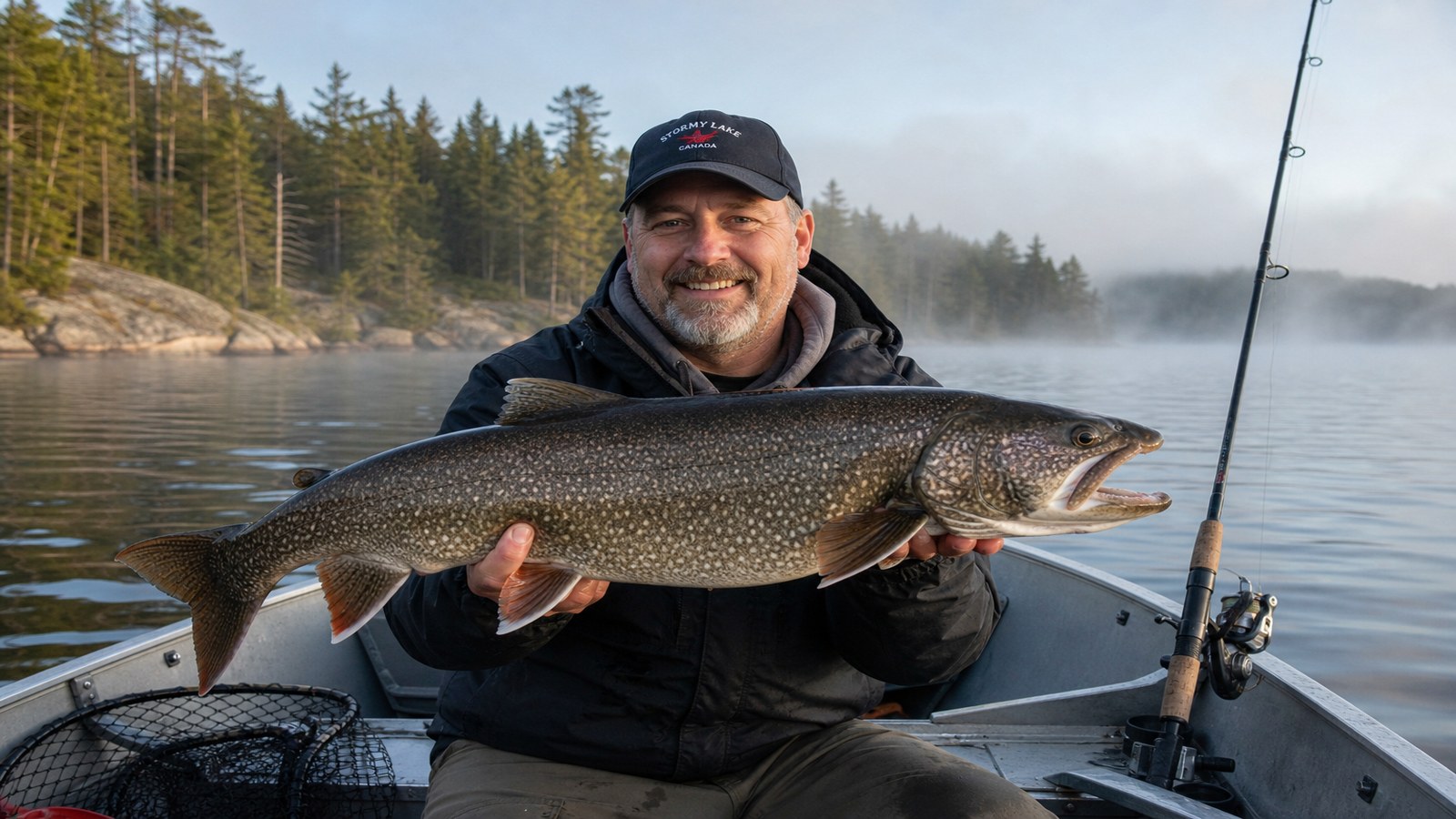
Ontario's vast Canadian Shield landscape holds some of the finest native char waters on earth. For serious sport anglers, mastering lake trout fishing techniques ontario canada unlocks consistent action for trophy predators that can live over forty years and exceed thirty pounds. Inhabiting cold, deep, oxygen-rich lakes across the province, lake trout require specialized presentations that change dramatically between spring ice-out, mid-summer thermal stratification, and mid-winter hard-water ice fishing.
Seasonal Habitat and Thermocline Positioning
Lake trout are cold-water obligates, preferring water temperatures between 45 and 53 degrees Fahrenheit. Understanding temperature layers is crucial for pinpointing fish throughout the year:
Spring Ice-Out (May to Early June)
Just after the ice melts, surface water temperatures remain cold throughout the lake. Lake trout roam shallow rocky shorelines, island points, and shallow flats in 5 to 20 feet of water, actively hunting yellow perch and minnows. Anglers cast medium spoons, swimbaits, or shallow crankbaits right from shore or troll light flat-lines with minnow plugs.
Summer Stratification (July and August)
As summer heat warms surface layers above 65 degrees, lake trout retreat into the thermocline and deep main-lake basins, holding at depths between 50 and 120 feet. Locating humps, underwater saddles, and steep drop-offs adjacent to deep trenches using high-definition sonar is essential for locating schooled fish.
Winter Hard-Water (January to March)
During the ice fishing season, water temperatures equalize under the ice. Lake trout cruise varying depths, from 15-foot gravel shoals to 80-foot basin transitions, feeding aggressively on baitfish schools.
Core Lake Trout Fishing Techniques Ontario Canada Anglers Use
Ontario anglers rely on three core methods to consistently catch deep-dwelling lakers across shield lakes and Great Lakes waters:
1. Deep-Water Downrigger Trolling
Downriggers remain the standard tool for open-water summer trout. A heavy 10 to 15-pound cannonball brings your lure down to exact depths with zero added weight on your fishing line:
- Lure Choices: Flutter spoons (such as Sutton spoons, Williams Wabler, and Northern King spoons) run 10 to 20 feet behind the release clip. Trolling at speeds between 1.8 and 2.4 knots imparts an enticing fluttering wobble.
- Dodger and Flasher Spreads: In deep or stained waters, running an 8-inch silver or chartreuse flasher ahead of a small trolling fly, hoochie, or cut-plug minnow creates flash and vibration that pulls curious trout from long distances.
- Stacking Rods: Running two lines off one downrigger cable covers multiple depth zones simultaneously, targeting both active fish cruising above the thermocline and bottom-huggers.
2. Wire Line and Lead-Core Trolling
For anglers fishing without downriggers or visiting remote drive-to and fly-in outpost camps, wire line or segmented lead-core line provides an effective way to reach depths of 40 to 70 feet. Monel wire or stainless steel wire cuts through deep water with minimal bow, allowing direct contact with heavy spoons dragged along bottom contours.
3. Vertical Jigging with Heavy Soft Plastics
Vertical jigging has exploded in popularity across Ontario shield lakes thanks to modern forward-facing sonar. When you spot trout stacked over deep humps, position the boat directly overhead using an electric trolling motor:
- The White Tube Jig: A 4-inch to 5-inch white, pearl, or glow tube bait mounted on a 3/4-ounce to 1.5-ounce jig head is the premier lure for Ontario lake trout. Drop the jig straight to the bottom, reel up two cranks, and snap the rod tip upward with sharp sweeps.
- Heavy Metal Spoons and Blade Baits: One-ounce chrome jigging spoons (such as Swedish Pimples or Hopkins Spoons) flutter erratically on the drop, triggering instinctive reaction strikes from trailing trout.
- Swimbaits on Football Heads: Paddle-tail swimbaits worked with a steady lift-and-drop cadence imitate dying cisco along deep drop-offs.
Proper Catch-and-Release for Deep-Water Trout
Bringing a fish up rapidly from 80 feet of water can cause barotrauma. Responsible anglers take precautions when releasing lake trout:
- Slow Retrieval: Pump and reel steadily rather than winching the fish to the surface as fast as possible, giving the trout time to vent gas naturally.
- Keep Handling Brief: Wet your hands before touching the fish, support its belly horizontally, and return it quickly to cold surface water.
- Use Descending Devices: If a trout struggles to descend due to trapped air, a weighted descending release clip takes the fish back down to its holding depth where pressure normalizes.
Premier Ontario Waters for Lake Trout
Ontario features world-class lake trout destinations spanning both drive-to fisheries and remote fly-in lakes:
- Lake Superior and Georgian Bay: Massive big-water fisheries holding giant open-water lake trout and abundant offshore structure.
- Lake Simcoe and Haliburton Highlands: Famous for deep, clear waters accessible for both summer boating and premier winter ice fishing.
- Lake of the Woods and Sunset Country: Sprawling multi-species waterways where deep granite basins hold trophy lake trout topping 30 pounds.
- Red Lake and Northern Outposts: Remote northwestern Ontario lakes where pristine wilderness waters produce high numbers of unpressured trophy lakers.
Booking a Professional Guide on Castaway
Deep-water navigation on large shield lakes requires dependable watercraft, modern sonar technology, and an intimate understanding of underwater topography. Booking a verified local guide through Castaway ensures you spend your fishing trip directly on productive structures with tournament-grade equipment.
Downriggers, wire line and vertical jigs cover water from ten feet to a hundred. Pick an Ontario lake trout guide on Castaway whose boat is set up for the depth you want.