Fishing Salmon: The Essential Guide to Tackle, River Drifts, and Offshore Trolling
Across the rivers and oceans of North America, fishing salmon stands as one of the most demanding and rewarding pursuits in sport angling. Salmon are renowned for incredible fighting endurance, powerful aerial leaps, and long migrations between open feeding grounds and fast-flowing natal rivers. Whether you are trolling deep water off a modern charter boat or wading a gravel bar on an autumn morning, understanding salmon behavior and using the right equipment transforms a frustrating day into a memorable success.
Understanding How Salmon Feed and Strike
To succeed when fishing salmon, you must understand their physiological state depending on where you encounter them:
Active Ocean and Open-Lake Feeding
In saltwater and open Great Lakes basins, salmon feed aggressively to fuel rapid growth. They hunt schools of herring, needlefish, anchovies, and alewives. Trolling with spoons, flashers, and cut-bait plugs that match the size and color profile of local baitfish triggers instinctual feeding strikes. Speed control is critical: trolling between 2.0 and 2.8 knots gives lures the right rolling action to simulate injured prey.
Territorial Reaction in Freshwater Rivers
Once salmon enter freshwater rivers on their spawning run, their digestive tracts shut down and they cease normal feeding. Strikes in river currents are driven by territorial aggression, reflex defense, or residual feeding instincts. Presenting vibrant attractor lures, noisy inline spinners, or natural cured roe directly through their holding lanes provokes defensive snaps.
Two Primary Methods for Fishing Salmon
Depending on where you fish, salmon angling generally divides into two distinct disciplines:
1. Downrigger and Planer Board Trolling
Trolling open water allows anglers to cover vast areas and present multiple lines at precise depths:
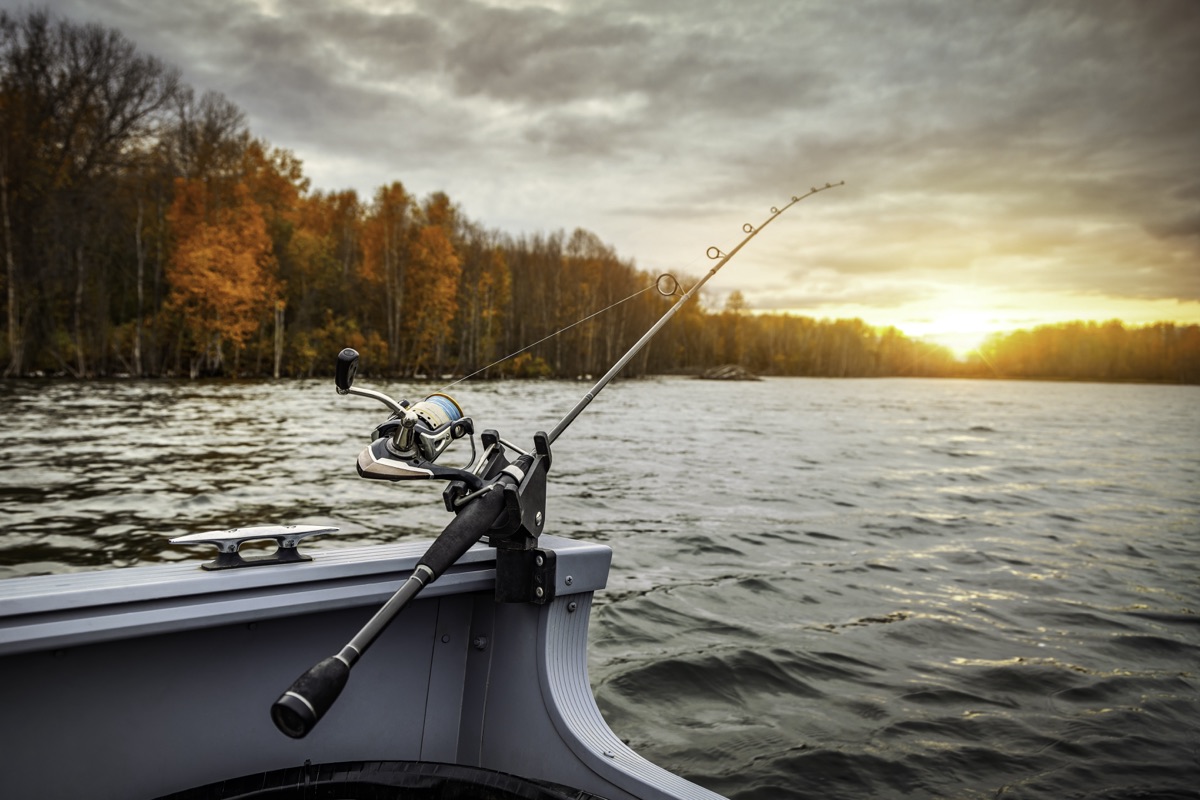
- Downriggers: Steel cables with 10 to 15-pound cannonballs carry fishing lines down to target depths between 30 and 120 feet without requiring heavy sinkers on the rod. When a salmon strikes, the line pops out of the release clip, allowing you to fight the fish directly on light tackle.
- Directional Divers: Dipsy Divers plane outward and downward away from the boat, spreading lines wide across the boat's wake and covering multiple depth zones simultaneously.
- Planer Boards: Surface boards pull shallow lines away from the boat's motor wake, ideal for spooky salmon feeding near the surface in early morning light.
2. River Float Fishing and Centerpin Drifting
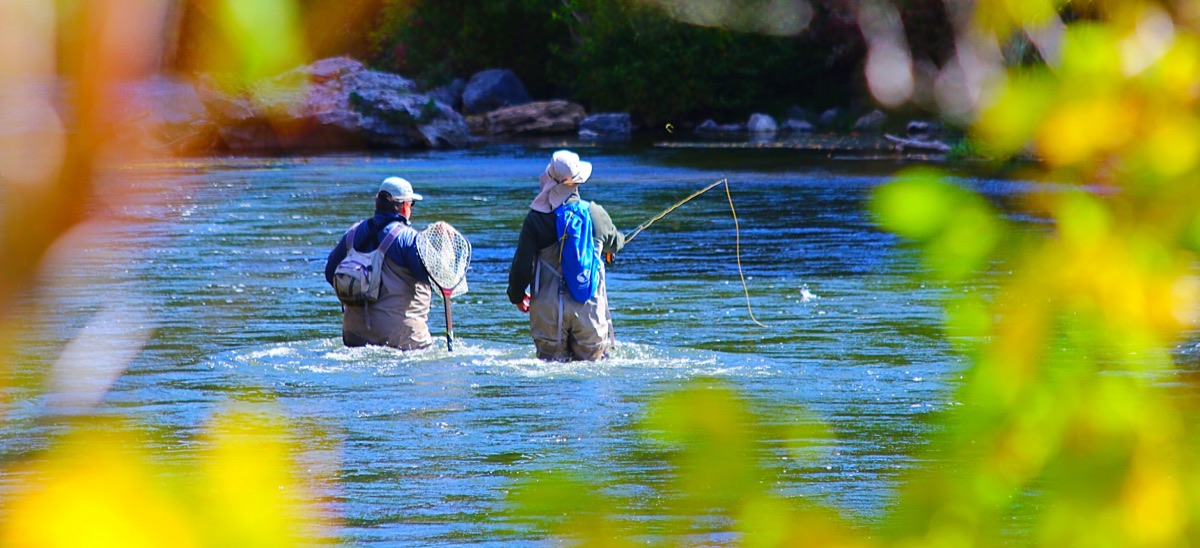
Wading riverbanks or fishing from a drift boat requires precise line management to achieve a drag-free drift:
- Centerpin Outfits: A 11 to 13-foot float rod paired with a smooth centerpin reel allows current to pull line off the spool with zero resistance. This ensures your balsa float and bait drift at the exact speed of the natural river current.
- Terminal Rigging: High-visibility balsa floats, split-shot shotting patterns that taper toward the hook, and a 8 to 10-pound fluorocarbon leader tipped with cured salmon roe bags, beads, or marabou jigs.
Reading River Currents and Structure Breaks
In freshwater rivers, traveling salmon do not hold randomly. They position themselves in specific current breaks that offer shelter from the force of the flow:
- Tail-Outs of Deep Pools: The gentle transition zone where a deep pool begins to shallow into rapids is a prime resting spot where salmon have excellent visibility for drifted baits.
- Current Seams: The distinct foam line where fast main-channel current meets slow backwater allows salmon to travel upstream with minimal effort while watching for food drifting downstream.
- Boulders and Ledges: Large submerged rocks create soft cushions of water directly in front and behind them, providing prime staging pockets for migrating fish.
Knot Tying and Terminal Rig Integrity
A twenty-pound salmon swimming downstream in swift current will exploit any flaw in your rigging. Use strong, reliable knots such as the Palomar knot for terminal swivels and hooks, and the double uni-knot or blood knot for connecting braided mainline to fluorocarbon leaders. Inspect leaders regularly for abrasions caused by sharp teeth, river gravel, and zebra mussels, retying frayed sections immediately.
Landing and Fighting Powerful Salmon
Salmon test every knot and connection. Observe these guidelines when fighting a fish:
- Set Your Drag Properly: Set your reel drag to approximately 25 percent of your line's breaking strength before casting. A king salmon's sudden run can easily snap tight lines.
- Keep the Rod Loaded: Maintain steady upward pressure on the rod blank. Slack line is the number one reason hooked salmon shake free.
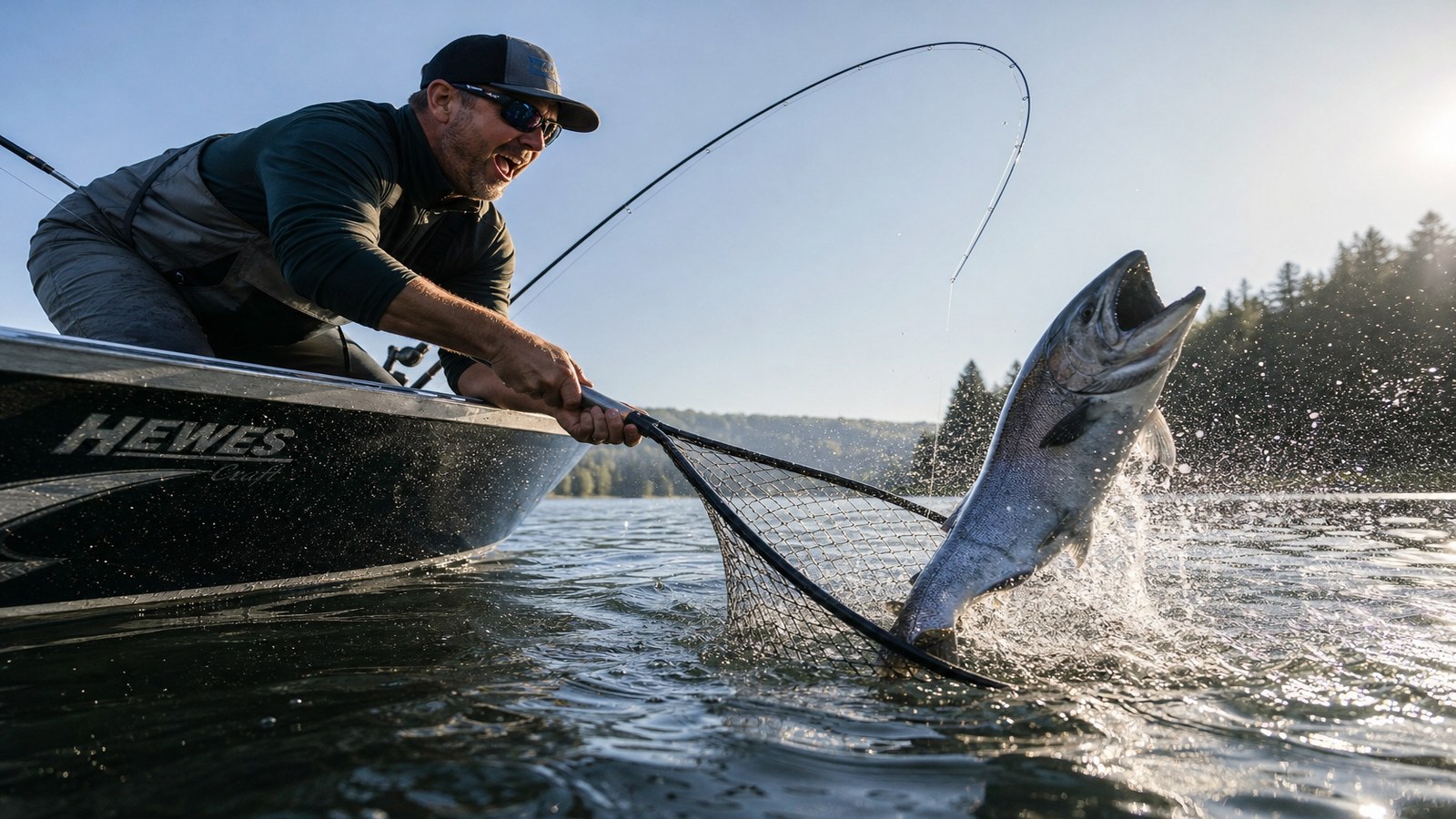
- Lead Fish to the Net: Never chase a running salmon with the landing net. Play the fish until it tires, raise its head to the surface, and guide it smoothly head-first into a submerged rubber net.
Booking a Professional Guide on Castaway
Learning the intricacies of boat control, trolling speeds, and river current reading is vastly accelerated when fishing alongside an experienced professional. Licensed guides provide top-tier tournament tackle, pre-scouted honey holes, and hands-on coaching.
Ocean trolling and river drifts call for different tackle and different timing. Find a salmon guide on Castaway who works your water rather than the nearest port.